Liverpool Residents Encouraged to Rethink Drinking as Dry January Gets Underway
As Liverpool heads into a new year, public health leaders are urging people across the city to pause and think about their relationship with alcohol. The message is simple: even a short break from drinking can make a noticeable difference to health, finances and day-to-day wellbeing in a city where alcohol is part of everyday social life.
The call comes as the national Dry January campaign gets underway, encouraging residents to consider a month without alcohol. Backed by Alcohol Change UK, the campaign is designed to support people who want to reset after the festive period, without judgement or pressure.
Dry January has grown far beyond a short-term challenge. For many people, it’s an opportunity to sleep better, feel more energised and start the year on a more positive footing. Research linked to the campaign consistently shows participants reporting improvements in mood, increased energy levels and a welcome drop in spending by the end of the month.
For Liverpool, the issue carries particular weight. Alcohol is woven into the city’s cultural and economic fabric, from matchdays and music venues to nights out with friends. But alongside the social benefits, excessive drinking continues to take a heavy toll. It remains the leading risk factor for death, ill health and disability among 15 to 49-year-olds in the city — a statistic that underlines why public health teams are keen to promote early action.
Recent findings highlighted in the State of Health in the City: Liverpool 2040 report paint a worrying picture if habits do not change. Without intervention, as many as 38,000 additional residents could go on to develop long-term conditions such as diabetes, high blood pressure and chronic kidney disease. Many of these illnesses are known to be worsened by alcohol misuse, placing further strain on individuals, families and health services.
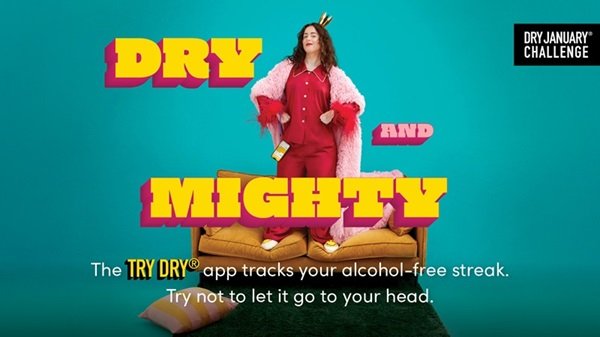
To help residents who want to take part, free support is available throughout January. Those signing up through Alcohol Change UK gain access to practical tools, including the Try Dry app, which allows users to track alcohol-free days, monitor savings and reflect on how they’re feeling. Daily motivational prompts and an online community are also on hand to offer encouragement when motivation dips.
Importantly, local health teams stress that Dry January is not about perfection. For some people, a full month without alcohol may feel unrealistic — and that’s okay. Cutting down, even slightly, can still deliver meaningful health benefits. Simple steps such as building in a few alcohol-free days each week can improve sleep, concentration and overall wellbeing over time.
However, Dry January is not recommended for people who are dependent on alcohol, as suddenly stopping can be dangerous without medical support. Anyone concerned about their own drinking, or that of someone close to them, is encouraged to seek specialist help. In Liverpool, support is available through Change Grow Live – River Liverpool, which offers confidential advice and treatment services.
As the city looks ahead to the year to come, the message from public health officials is clear: whether it’s a full Dry January or small changes that last beyond it, rethinking alcohol habits is a step that could benefit both individuals and Liverpool as a whole.
Harry Doyle, Cabinet Member for Health, Wellbeing and Culture, said:
“We want Liverpool to be a city that supports healthier choices. Dry January is a great way to start the year positively, and it aligns with our commitment to tackling alcohol-related harm.
“This is especially important as we prepare to launch our new Alcohol Strategy in July 2026, which will set out a bold vision for reducing harm and promoting wellbeing across the city.”
Professor Matt Ashton, Director of Public Health for Liverpool, said:
“Dry January is a fantastic opportunity for people to reflect on their drinking habits and experience the benefits of going alcohol-free for a month.
“Even short breaks from alcohol can improve sleep, energy levels, and mental health. We know that alcohol-related harm is a significant issue in Liverpool, and campaigns like this help us to start conversations and support healthier choices.”