Historic Cunard Building Leads Waterfront Climate Action by Joining Low Carbon Heat Network
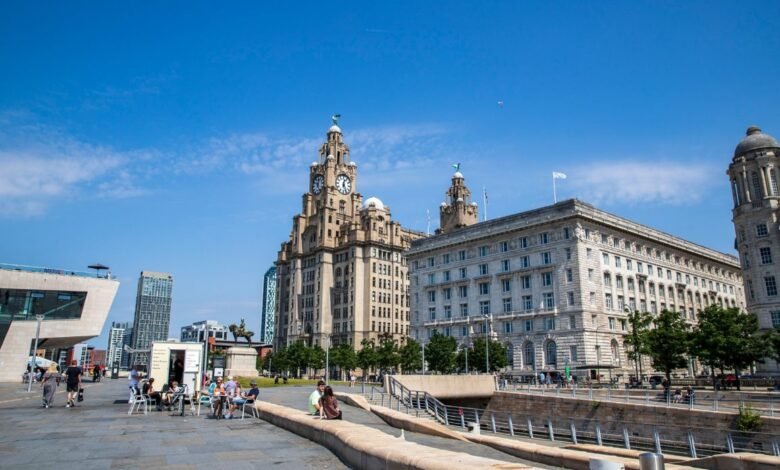
One of the most recognisable landmarks on the city’s waterfront is set to become a blueprint for heritage decarbonisation as it moves away from traditional gas-fired heating.
Work is now well underway to expand the Mersey Heat District Heat Network to Liverpool’s historic Cunard Building.
This marks a significant step forward in Liverpool City Council’s plans to cut carbon emissions, improve air quality, and secure a more resilient energy future.
Following initial announcements made last year, the project has moved into the delivery phase, with detailed designs completed and enabling works progressing to allow the switch to a low-carbon heat supply.
On Tuesday, the Cabinet will be asked to approve funding for the next stage of design and works.
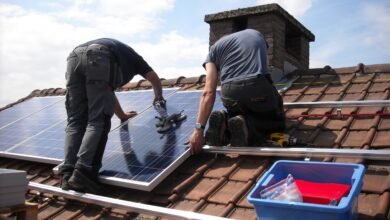
This includes alterations to the building’s heating system to ensure compatibility with the district heat network, the removal of existing gas boilers, and the installation of solar photovoltaic panels on the roof to generate electricity and offset rising costs.
A Landmark Step Toward Net Zero
The Cunard Building currently stands as one of the council’s biggest carbon-emitting properties.
Connecting it to the network is a vital component of meeting the commitment to be net zero by 2030, reducing the council’s emissions by over 330 T CO2e per year.
Beyond the immediate environmental impact, the project aims to reduce exposure to volatile energy prices and support the wider development of heat networks across the city.
By demonstrating a practical approach to decarbonising large heritage structures, the scheme provides a model for similar buildings throughout the UK.
Future Proofing Heritage Assets
The installation of solar panels, subject to a structural survey, will work alongside the heat network connection to strengthen resilience against global energy markets.
This initiative forms part of a wider strategy for sustainable infrastructure and clean growth.
Liverpool is currently one of the key cities participating in the Government’s heat network zoning pilot, helping to shape how low-carbon energy can be rolled out in dense urban environments.
Leader of Liverpool City Council, Cllr Liam Robinson, said:
“Connecting the Cunard Building to the Mersey Heat network is a powerful demonstration of how Liverpool is taking practical, ambitious action to secure a cleaner and more resilient energy future.
“This project protects one of our most important historic buildings while significantly reducing its carbon footprint, cutting air pollution and reducing exposure to volatile gas prices.
“It shows how we can future-proof our city, support climate action and lead by example.”
Once the project is complete, the Cunard Building will operate entirely on reliable low-carbon heat and on-site renewable generation.
The scheme is supported by a combination of council investment and government funding, forming a central part of Liverpool’s growing network of low-carbon energy infrastructure.