New Roadmap Launched to Reverse Decades of Wildlife Decline
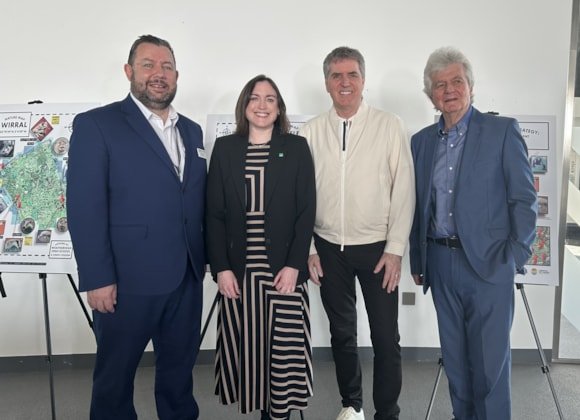
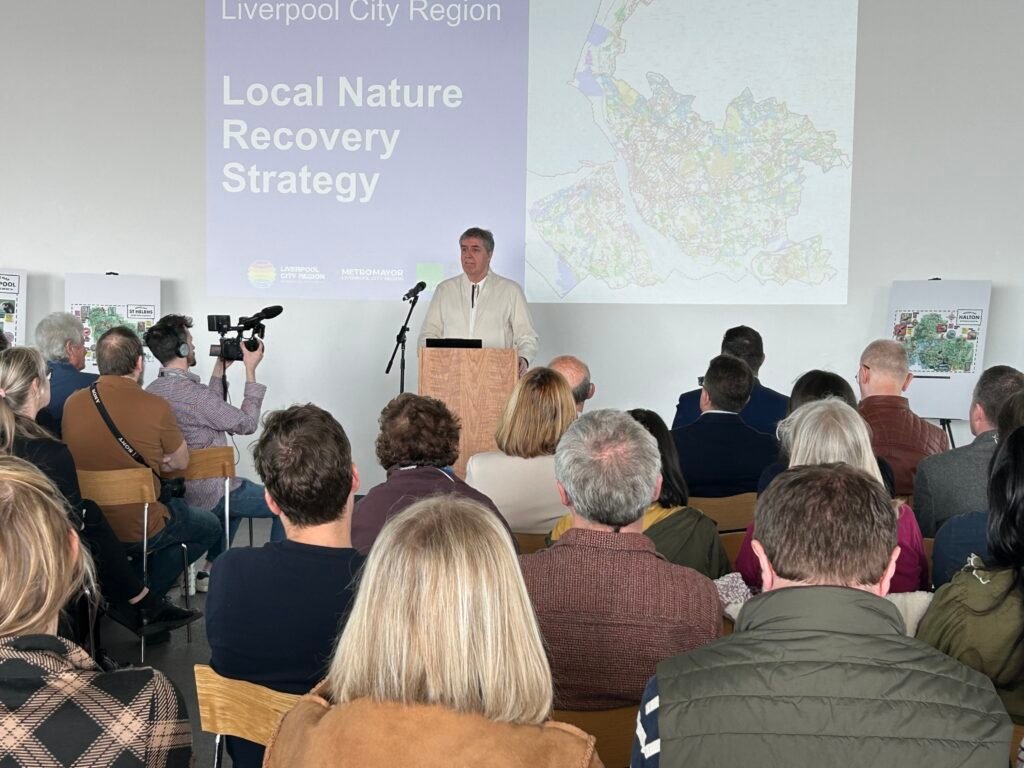
Mayor Steve Rotheram has officially launched the first Local Nature Recovery Strategy (LNRS) for the Liverpool City Region.
The plan aims to reverse decades of wildlife decline and improve access to green spaces, placing healthier neighbourhoods at the heart of local communities.
The strategy follows troubling data showing the region has lost 5% of its habitats since the 1980s, with 36 priority species of plants and animals becoming locally extinct since 1970.
Shaped by environmental organisations, businesses, and residents, the LNRS identifies 36 specific priorities for recovery across wetlands, grasslands, woodlands, and urban areas.
A Collective Plan for Greener Communities
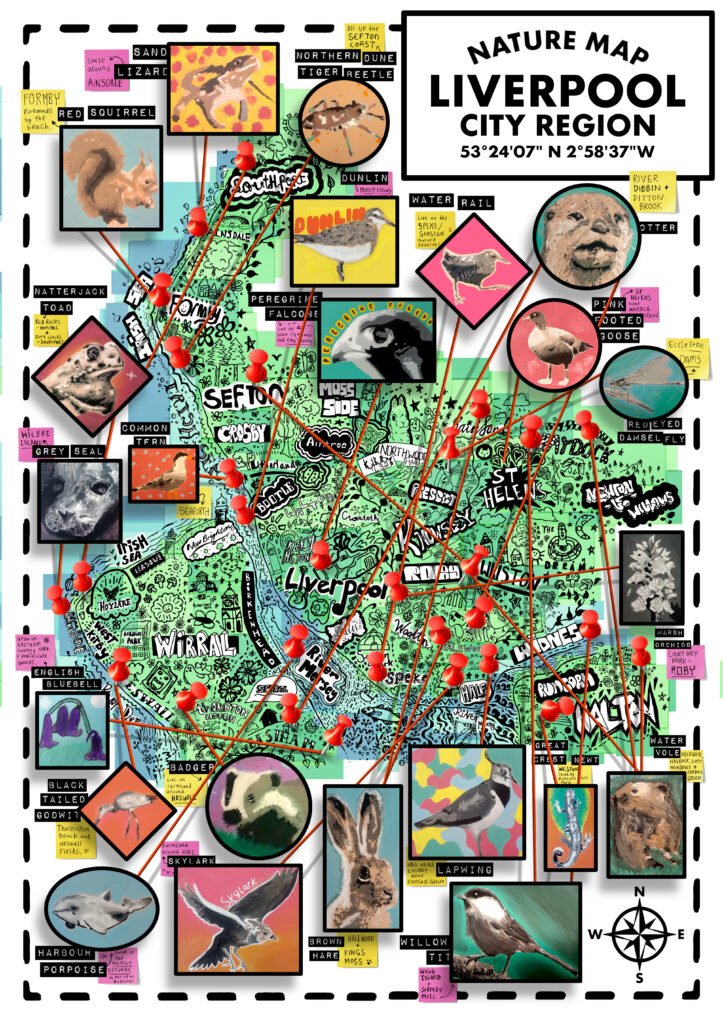
The strategy highlights where investment will have the greatest benefit for both nature and people.
It also provides resources to help shape future environmental projects, supported by a new Nature Resources Hub.
During the launch at the Museum of Liverpool, representatives from the Forestry Commission, Natural England, and the Environment Agency joined local leaders to back the initiative.
Mayor Steve Rotheram emphasised that the strategy is a vital step toward a sustainable future for the region.
“We’re already taking bold action to protect and restore our natural environment, from our commitment to reach net zero by 2035, to our ambition for a discharge-free River Mersey by 2030, and planting a thousand new trees to create greener, healthier communities.
“But we know we must go further. The Local Nature Recovery Strategy is our roadmap for the future, a clear, collective plan to bring nature back into the heart of everyday life.”
“This is about showing that a modern city region like ours can lead the way: cutting emissions, restoring habitats, improving air quality, and creating places where both people and wildlife can thrive. Because nature shouldn’t be something distant or occasional – it should be part of our everyday lives.”
Restoring Locally Led Habitats
While the UK is one of the most nature-depleted countries in the world, the Liverpool City Region still contains significant environmental assets, including four internationally recognised wetlands and 18 Sites of Special Scientific Interest.
The new strategy, established under the Environment Act 2021, acts as a statutory plan to restore these areas.
Public surveys conducted in 2023 and 2025 showed overwhelming support for the move, with 85% of respondents highlighting mental and physical wellbeing as key benefits of accessing nature.
Lucy Abram, Natural England Deputy Director for the Cheshire to Lancashire Area Team, welcomed the collaborative effort.
“Natural England is delighted to support Liverpool City Region’s Local Nature Recovery Strategy. It is a vital tool in our mission to halt and reverse the decline of nature.
“The work in Liverpool is an excellent example of how local communities, land managers and conservation organisations can come together to protect and restore habitats and species that make our natural environment so special.”
“We look forward to continuing our work with Liverpool City Region Combined Authority and other partners to turn this strategy into real action, creating bigger, better and more connected habitats where wildlife, natural heritage and people can thrive for generations to come.”
The final strategy was formally approved on 6 March 2026. The Combined Authority and its partners are now working to scale up action across the region to ensure nature recovery remains a priority for generations to come.