Merseyside Charity Behind New Standards for Ethical Reporting on ‘Honour’-Based Abuse
A Merseyside-based charity is leading a national effort to ensure that the media handles the most sensitive and hidden forms of abuse with greater accuracy and care.
A groundbreaking toolkit to help journalism students, journalism educators, journalists and editors report accurately and ethically on domestic abuse has been launched by the University of Sheffield with expert guidance from Savera UK, a leading charity helping people affected by honour-based abuse (HBA) and harmful practices.
Savera UK, which is based in Merseyside but operates nationally, has contributed to a section of the toolkit focused specifically on reporting on cases of HBA and harmful practices, including forced and child marriage, female genital mutilation, conversion therapy and spiritual abuse.
This section includes short explainer videos, guidance for working with survivors, and links to specialist research.
Protecting Survivors Through Better Reporting
Development of the toolkit was led by Michelle Rawlins, a journalism educator at the University of Sheffield with 30 years of experience as a national journalist.
The project aims to ensure that reporting is survivor-centred, allowing the voices of those impacted to be heard in a way that is thoughtful, supportive and meaningful.
Michelle Rawlins said:
“Savera UK worked with me to create a set of meaningful guidelines that will empower journalists and editors to report ethically and effectively on honour-based abuse and harmful practices with the knowledge and insight to create positive and impactful change.
“Together we can all make a difference, with the ultimate aim of helping those who are impacted and give a voice to those who are often unheard.”
Addressing Gaps in Knowledge
For Savera UK, the toolkit is a vital step in preventing the demonisation of communities and ensuring that survivors feel safe enough to come forward.
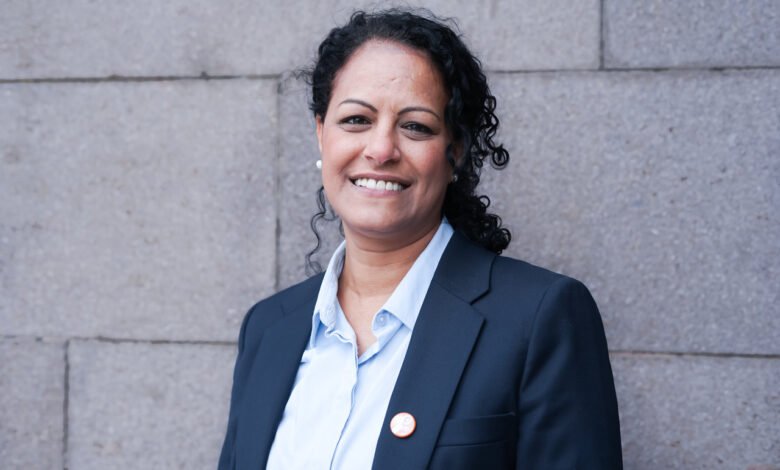
Savera UK CEO and Founder, Afrah Qassim, said:
“Working on the front line, we see first-hand the impact of uninformed reporting on honour-based abuse (HBA) and harmful practices like forced marriage, FGM, conversion therapy and spiritual abuse. Incorrect terminology, stereotyping and suggesting that these human rights violations are part of a specific culture or community is deeply harmful to already-marginalised groups.
“Poor reporting risks demonising communities, puts individuals at risk of harm and breaks down trust that has been hard-won by frontline organisations like Savera UK.
“This in turn makes it even harder for survivors and people at risk to come forward to access lifesaving and life-changing help.”
Domestic abuse campaigner Claire Throssell, who collaborated on the guidelines, added:
“This toolkit will support, guide and prepare students journalists to empower and enable all victims and survivors to be able to share their experiences in a powerful and impactful way.
“This toolkit paves the way to reporting on an issue that affects all of society and handles correctly, the articles written may lead to lasting changes in the UK and across the world.”