Liverpool District Heat Network Procurement Launched by City Council
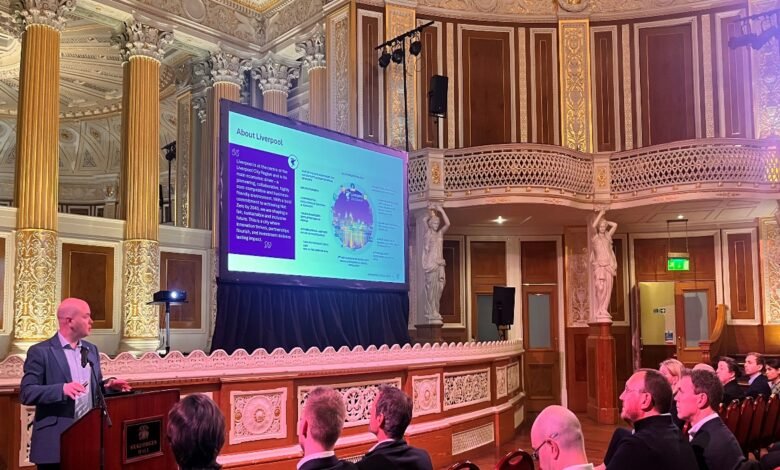
Liverpool City Council has launched the formal procurement process for its proposed district heat network as part of the Advance Zoning Project.
This marks the next major step in delivering low-carbon heating across the city.
The move follows a successful Bidders Day event, where organisations from the low-carbon heat and infrastructure sectors met with the Council.
They explored opportunities to help deliver one of the UK’s most ambitious heat network programmes.
The Advance Zoning Project forms part of a national initiative led by the Department for Energy Security and Net Zero to accelerate the rollout of low-carbon heat networks.
Heat networks distribute heat, often captured as waste heat, from a central source to multiple buildings.
They provide a cleaner and more efficient alternative to individual gas boilers, helping reduce carbon emissions, improve air quality and strengthen energy security.
Low Carbon Heat Network Rollout Across Liverpool City Centre
The programme brings together councils and private sector partners to design and deliver heat network zones ahead of full zoning legislation.
It uses standardised governance and procurement models to simplify the process and reduce complexity for bidders.
Liverpool City Council’s Cabinet approved development of the scheme last year, setting out how advanced heat networks could transform heating across the city.
The selected Zone Developer will be responsible for building and operating networks, beginning with a reference scheme and expanding across the city centre.
Jobs, Investment and Tackling Fuel Poverty in Liverpool
The project is expected to generate a range of long term benefits, including local jobs and apprenticeships, investment in local supply chains and targeted support to help tackle fuel poverty.
Cleaner heating systems are also expected to improve air quality and contribute to healthier neighbourhoods, while supporting Liverpool’s net zero ambitions.
Councillor Liam Robinson, Leader of Liverpool City Council, said:
“Liverpool is seizing a once-in-a-generation opportunity to transform how our city is heated.
“Moving into procurement is a major milestone. It means turning ambition into delivery.
“District heat networks are becoming increasingly common and the way for areas of urban density to secure heat.
“The city’s Three Graces are currently being integrated into Mersey Heat, a network which serves the Liverpool Waters development and other landmark buildings along the waterfront, by using energy from the Leeds Liverpool Canal.
“Through the Advance Zoning Project, we will capture wasted heat, cut carbon emissions, and create real jobs and skills for local people.
“By expanding low-carbon heat networks across the city, AZP supports a just transition that improves affordability, strengthens energy security, and delivers lasting benefits for households most vulnerable to rising fuel costs.
“This is not just an infrastructure project; it is about investing in Liverpool’s future and ensuring our communities feel the benefits for decades to come.”