Warrington teenager becomes world’s youngest AVM patient to undergo awake brain surgery
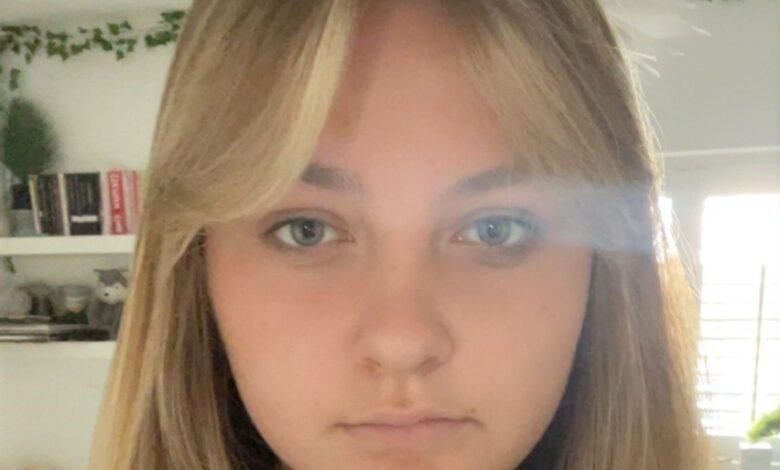
A 16-year-old girl from Warrington has become the youngest person in the world reported to have undergone awake brain surgery specifically to treat an arteriovenous malformation.
Matilda, known as Tilly, underwent the pioneering operation at Alder Hey Children’s NHS Foundation Trust in Liverpool in December 2025, when she was 15.
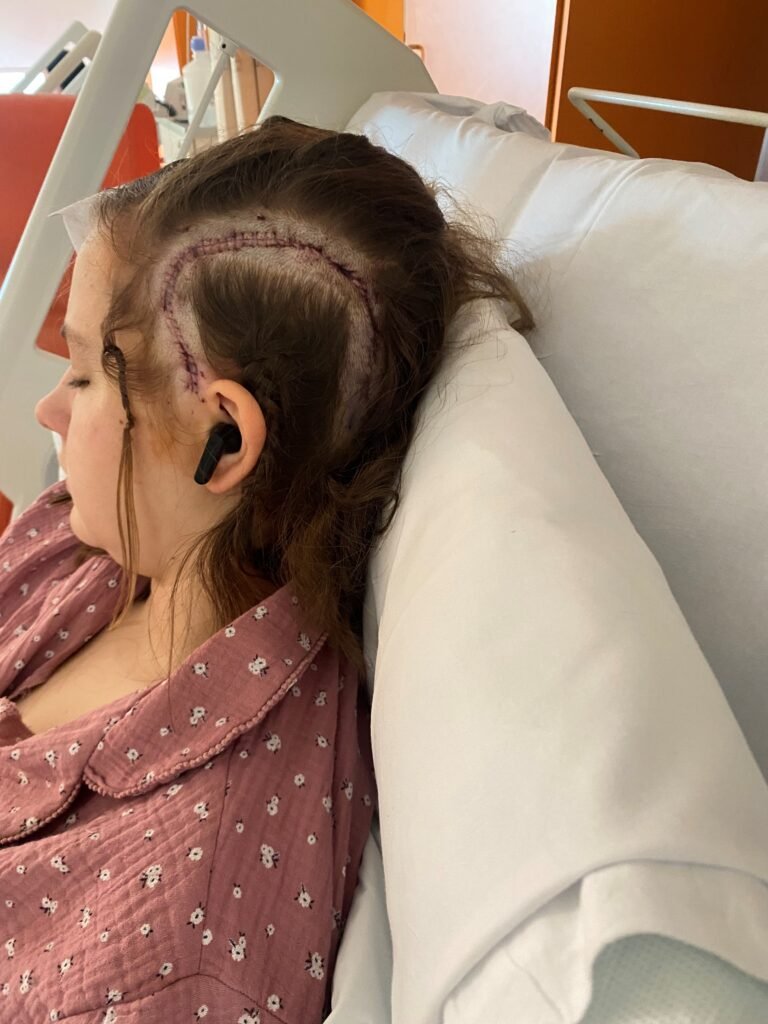
The complex procedure was the first of its kind to be carried out at Alder Hey and required Tilly to be conscious for part of the surgery, allowing specialists to monitor her speech and responses while safely removing an abnormal tangle of blood vessels from her brain.
The condition, known as an arteriovenous malformation, or AVM, was at risk of rupturing without warning, potentially causing a stroke, serious brain damage or death.
Tilly’s AVM was located close to areas of the brain responsible for vital functions, including speech, movement and vision, making treatment particularly high-risk.
Tilly said:
“I felt like it was a ticking time bomb in my brain and I just wanted it out. The AVM was causing me to have frequent seizures and they were getting worse and I knew it could rupture at any point which was really scary. I felt like my life was on hold.”
She was diagnosed following an MRI scan after experiencing psychogenic non-epileptic seizures.
AVMs are rare but serious conditions in which arteries and veins become tangled, disrupting the normal flow of blood through the brain.
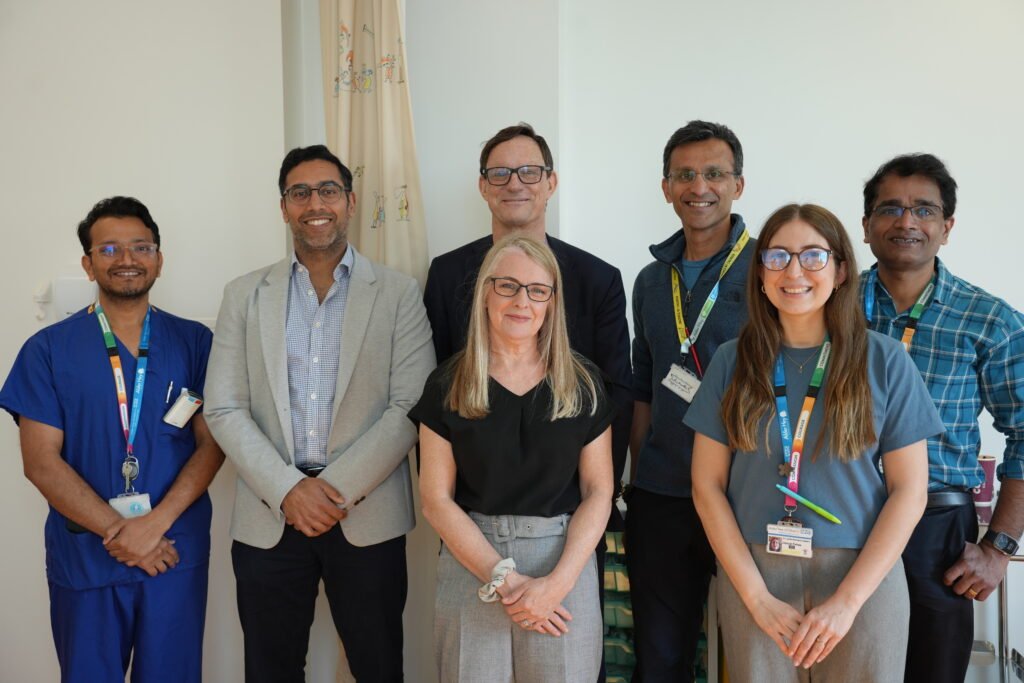
Consultant Paediatric Neurosurgeon Mr Conor Mallucci led the surgery alongside Mr Vejay N. Vakharia. He said:
“When an Arteriovenous Malformation (AVM) is located close to a critical area of the brain, treatment becomes far more complex. These regions control essential functions such as movement, speech and vision and are known as eloquent areas of the brain. In Tilly’s case, the AVM was located near the left side of her brain and close to several of these critical functions, which made surgery particularly high-risk. The challenge for us is that it can be extremely difficult to differentiate between abnormal tissue and vital brain tissue, raising the risk of potentially damaging healthy brain tissue.”
Treatment options can include minimally invasive procedures, conventional surgery or radiosurgery. However, because of the position of Tilly’s AVM, these treatments carried an increased risk or could have taken several years to become fully effective.
Tilly was also experiencing difficulties with school and everyday life, prompting specialists at Alder Hey to consider an awake craniotomy — a highly specialised procedure that is rarely performed on children.
During an awake craniotomy, a patient is placed under general anaesthetic for the opening and closing stages of the operation but is woken for part of the procedure.
This allowed clinicians to speak to Tilly and monitor her responses while surgeons mapped the areas surrounding the AVM, helping them to identify and protect parts of her brain controlling essential functions.
Mr Vejay N. Vakharia said:
“In some neurosurgeries, patients are woken up during surgery and asked to answer simple questions for a short time before being put back to sleep while the surgeon continues to work. This allows us to treat as much abnormal tissue as possible while protecting the critical areas of the brain and is known as brain mapping. Awake surgery allows for greater precision and better long-term results but is not suitable for everyone.”
Tilly was fully involved in discussions about the proposed treatment and decided to proceed with the operation.
The surgery successfully treated the AVM, and Tilly continues to make a strong recovery.
The procedure represented the first time this specific surgical and anaesthetic approach had been performed at Alder Hey, while published reports indicate Tilly is the youngest person in the world to undergo awake brain surgery specifically for an AVM.
Mr Vejay N. Vakharia said:
“Because the procedure requires a lot of cooperation, it is not always offered to young patients but Tilly was so determined and so were we. While awake procedures have been performed on young patients for other neurological conditions like brain tumours, Tilly is among the youngest known individuals to undergo the surgery specifically for an AVM which is extremely rare.”
The surgery lasted over 12 hours, and Tilly was discharged just one week later. Follow-up scans have confirmed that the AVM has been successfully treated.
Consultant Neurosurgeon Mr Jonathan Ellenbogen added:
“Tilly has experienced a significant reduction from her pre-operative seizure frequency. We hope that removal of the AVM will help control this in the long term.”
For Tilly and her family, the decision has been life-changing. Tilly said:
“I’ve got my life back. Before the surgery, it felt like I was always worrying about what might happen. I’ve just finished my GCSE’s and I can look forward to spending time with my friends, family, my dogs, enjoying the summer holidays, and just getting on with being a normal teenager again. I’m so grateful to everyone who looked after me.”
Mum Clare said:
“This has been an incredibly difficult period for us all especially Tilly. She has navigated things no child should have to but has shown such strength and resilience. I know her future looks bright thanks to Alder Hey. The care Tilly has received has been second to none. Everyone has been so kind, helpful and caring.”