Liverpool Researchers Lead Major Lung Cancer Screening Study Across Cheshire And Merseyside
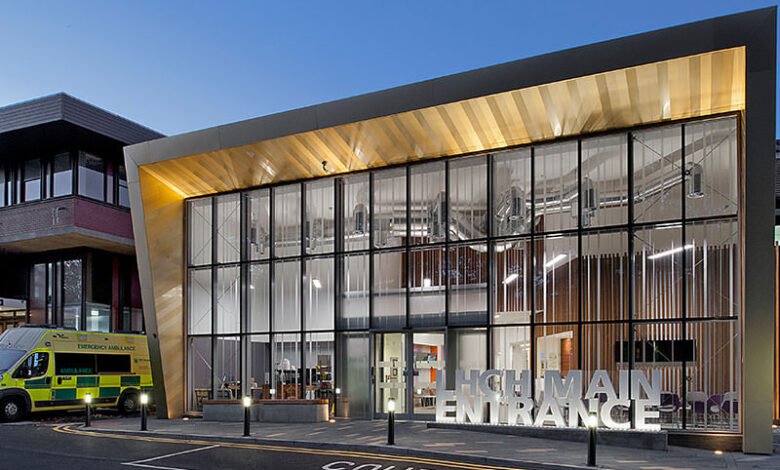
Researchers in Liverpool are leading a major study that could change the way lung cancer is detected, with thousands of people across Cheshire and Merseyside being invited to take part.
The pioneering APPLIED-LUNG: Transforming Lung Cancer Screening study is investigating whether a simple blood test could identify people most at risk of lung cancer, allowing scans to be targeted at those who need them most and helping detect the disease at its earliest stages.
The project is being led by researchers from the University of Liverpool and Liverpool Heart and Chest Hospital NHS Foundation Trust in partnership with Cheshire and Merseyside Cancer Alliance and Oxford Cancer Analytics (OXcan).
It is co-funded by the National Institute for Health and Care Research (NIHR) and OXcan, including a £1.68 million NIHR i4i Product Development Award.
Study Aims To Improve Early Lung Cancer Detection
Around 1,500 people have already joined the research since it launched earlier this year, with the study aiming to recruit up to 11,000 participants attending routine low-dose CT scans through the Cheshire and Merseyside NHS Lung Cancer Screening Programme.
Lung cancer remains one of the UK’s biggest cancer killers, accounting for around one in seven new cancer diagnoses each year—approximately 50,000 cases annually.
While low-dose CT scans have significantly improved early diagnosis for people at high risk, delivering large-scale screening programmes requires considerable NHS resources.
Researchers believe a simple blood test could help identify those most likely to benefit from a CT scan while reducing unnecessary imaging for people at lower risk.
Liverpool Builds On Its Lung Cancer Screening Legacy
Participants who agree to join the APPLIED-LUNG study provide a one-off blood sample when attending their scheduled CT scan appointment.
Researchers will compare the blood test results with scan findings and clinical outcomes to determine how accurately the test could identify people with early-stage lung cancer or those at greater risk of developing the disease.
If successful, the approach could help make lung cancer screening more efficient, accessible and sustainable by directing NHS resources towards those who would benefit most from further investigation.
The study is also creating a linked bank of blood samples and clinical data through the Liverpool University Biobank, supporting future research into lung cancer and related conditions.
Liverpool Researchers Hope Study Will Be A “Gamechanger”
Dr Serena Chee, Chief Investigator from the University of Liverpool and Liverpool Heart and Chest Hospital NHS Foundation Trust, said:
“By working with the Cheshire and Merseyside’s Lung Cancer Screening programme, we can use information from its participants to cross reference their blood samples and their outcome details to discover if we can target people who have early-stage lung cancer, or who may develop it. This study could be a gamechanger in cancer screening.”
Dr Daniel Szulc, Chief Product Officer at OXcan, added:
“Since 2022, we’ve partnered with LHCH and the University of Liverpool to advance this mobile-enabled lung cancer screening model integrating our blood-based test. By fitting into routine care and standard laboratory pathways, our product is designed to help screening reach more people while reducing burden.”
Jon Hayes, Managing Director of Cheshire and Merseyside Cancer Alliance, said:
“The study reflects a shared ambition across industry, academia and the NHS to build screening pathways that are not only clinically robust, but also more accessible to patients and more practical to deliver at scale.
“Liverpool led the way with lung cancer screening through pilot projects on it more than two decades ago, so it is fitting that researchers here are now taking findings from screening for research into better ways to detect those at risk of lung cancer, of which there is a higher incidence in Merseyside.”
The APPLIED-LUNG study builds on Liverpool’s long-standing role in lung cancer research and screening innovation, with researchers hoping the findings could help shape the future of early cancer detection across the UK.